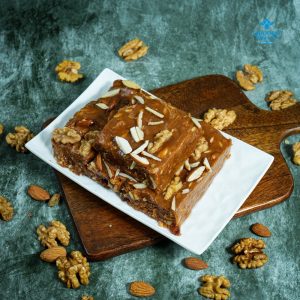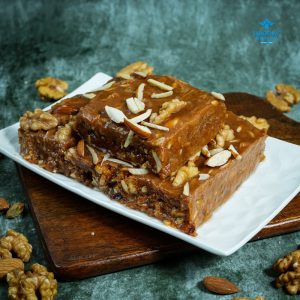
Every festive season, Indian households fill up with the irresistible aroma of sweets. From creamy barfis to syrup-soaked jalebis, celebrations and mithai go hand in hand. But as awareness around mindful eating grows, more and more people are asking a simple question — can we celebrate without compromising our health? The answer lies in one increasingly popular choice: dry fruit sweets.
Dry fruit sweets, or dry fruit mithai, are fast becoming the go-to festive indulgence for health-conscious families — and for good reason. Here’s a deep dive into why these nutrient-rich treats deserve a permanent place on your festive platter.
What Are Dry Fruit Sweets?
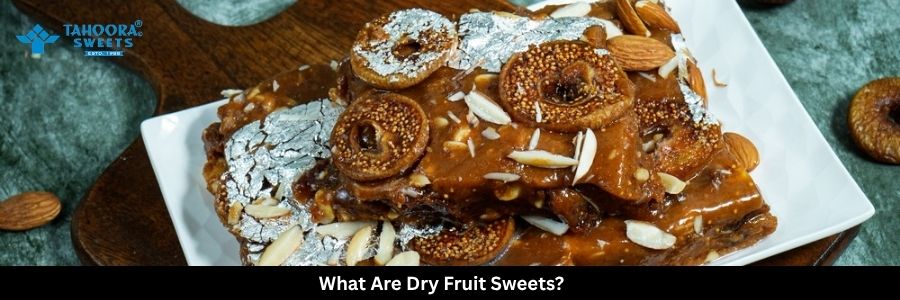
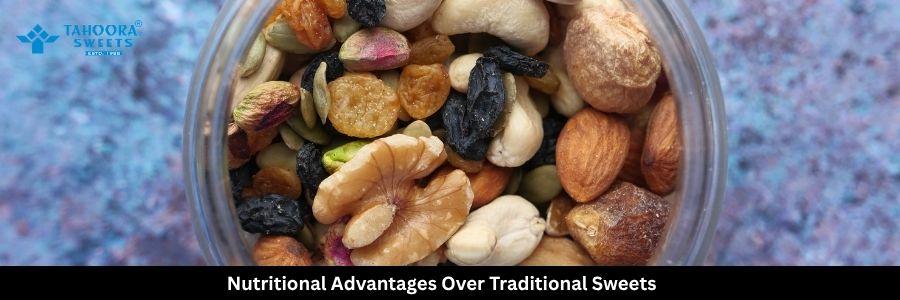
Dry fruit sweets are traditional Indian confections made primarily from a blend of nuts and dried fruits such as almonds, cashews, pistachios, walnuts, dates, figs, and raisins. Unlike conventional sweets that rely heavily on refined sugar, artificial flavors, and hydrogenated fats, dry fruit sweets use natural ingredients as both the base and the sweetener. Common varieties include dry fruit ladoo, kaju rolls stuffed with mixed nuts, date and walnut barfi, and mixed nut chikki.
Nutritional Advantages Over Traditional Sweets
The most compelling reason to choose dry fruit sweets is their superior nutritional profile. Let’s compare them to conventional festive sweets:
Traditional sweets like gulab jamun or regular barfi are loaded with refined sugar, maida (all-purpose flour), and vanaspati ghee. While delicious, they offer very little in terms of micronutrients and can cause rapid blood sugar spikes.
Dry fruit sweets, on the other hand, are naturally rich in:
- Healthy fats – Almonds, walnuts, and cashews provide monounsaturated and polyunsaturated fats that support heart health and brain function.
- Protein – Nuts are one of the best plant-based protein sources, keeping you fuller for longer and reducing the urge to overeat.
- Dietary fiber – Dried fruits like dates and figs are packed with fiber, which aids digestion and helps regulate blood sugar levels.
- Essential vitamins and minerals – Dry fruits are rich in Vitamin E, magnesium, potassium, zinc, and iron — nutrients often missing from sugar-heavy sweets.
- Antioxidants – Walnuts and raisins are high in antioxidants that combat oxidative stress and inflammation in the body.
This nutritional density means you get far more value per bite compared to a conventional sweet.
A Natural Way to Manage Sugar Intake

One of the biggest health concerns during the festive season is the surge in sugar consumption. Excessive sugar intake is linked to weight gain, insulin resistance, and increased risk of type 2 diabetes — conditions that are becoming increasingly common in India.
Dry fruit sweets are often sweetened naturally using dates, figs, or jaggery instead of refined white sugar. Dates, for instance, have a moderate glycemic index and contain natural fructose along with fiber, which slows sugar absorption into the bloodstream. This makes dry fruit sweets a smarter choice, especially for those managing diabetes or watching their caloric intake.
Many premium dry fruit sweet brands now also offer sugar-free variants, using alternatives like stevia or monk fruit — making it possible for diabetics and health enthusiasts to participate fully in festive celebrations without worry.
Perfect for Gifting and Conscious Celebrating

Beyond personal health, dry fruit sweets have become the preferred gifting choice during festivals like Diwali, Eid, Navratri, and Raksha Bandhan. Gifting a beautifully packaged dry fruit box signals thoughtfulness and care — it shows that you value the recipient’s health, not just tradition.
In a cultural shift that’s clearly here to stay, corporate gifting has also moved decisively toward dry fruit hampers and gourmet nut assortments over conventional mithai boxes. The message is clear: celebratory doesn’t have to mean unhealthy.
Satiating, Satisfying, and Portion-Friendly
Because dry fruit sweets are dense in healthy fats and protein, they are naturally more satiating than their sugar-heavy counterparts. You’re less likely to reach for a second or third piece when one dry fruit ladoo already leaves you feeling satisfied and energized.
This built-in portion control is a significant advantage during the festive season, when overeating is all too easy. The rich, complex flavors of mixed nuts and dried fruits also make each bite deeply satisfying — fulfilling both the craving for sweetness and the desire for something substantial.
A Tradition Rooted in Ayurveda
Interestingly, the use of dry fruits in festive foods is not a modern health trend — it’s deeply rooted in Ayurvedic tradition. Almonds soaked overnight, warm milk with saffron and pistachios, or sesame and jaggery ladoos — these have been prescribed for centuries as foods that nourish the body, build immunity, and provide sustained energy during seasonal transitions. Choosing dry fruit sweets is, in many ways, a return to our roots.
The Bottom Line

Festive seasons are meant for joy, togetherness, and celebration — and food is at the heart of it all. Choosing dry fruit sweets doesn’t mean sacrificing pleasure; it means elevating it. You get the richness, the tradition, and the indulgence — with the added benefit of nourishing your body rather than burdening it.
This festive season, make the switch to dry fruit sweets. Your taste buds — and your health — will thank you
Browse Our Dry Fruits Halwa
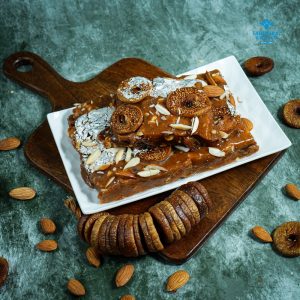

Anjeer Dryfruit Halwa
Price range: ₹270 through ₹1,080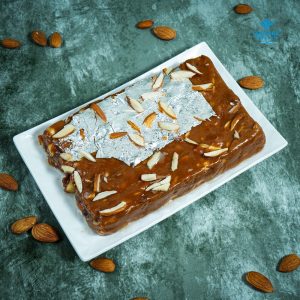
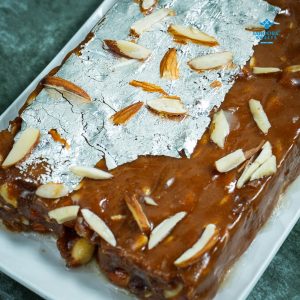
Badam Dryfruit Halwa
Price range: ₹270 through ₹1,080